Robotic Soldering
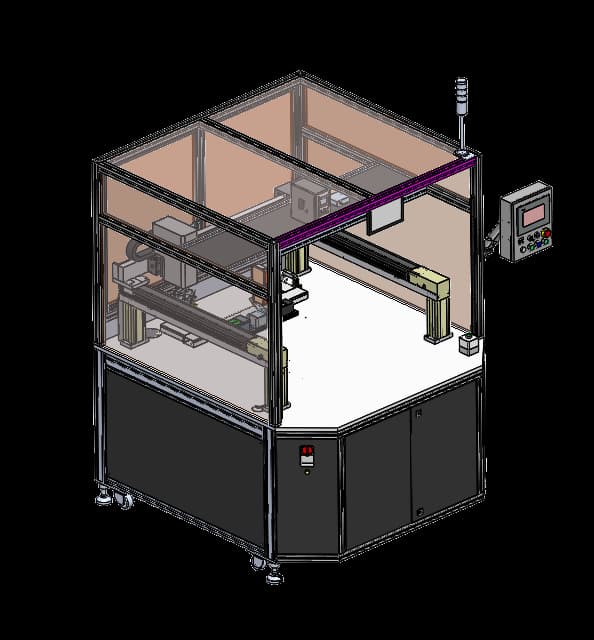
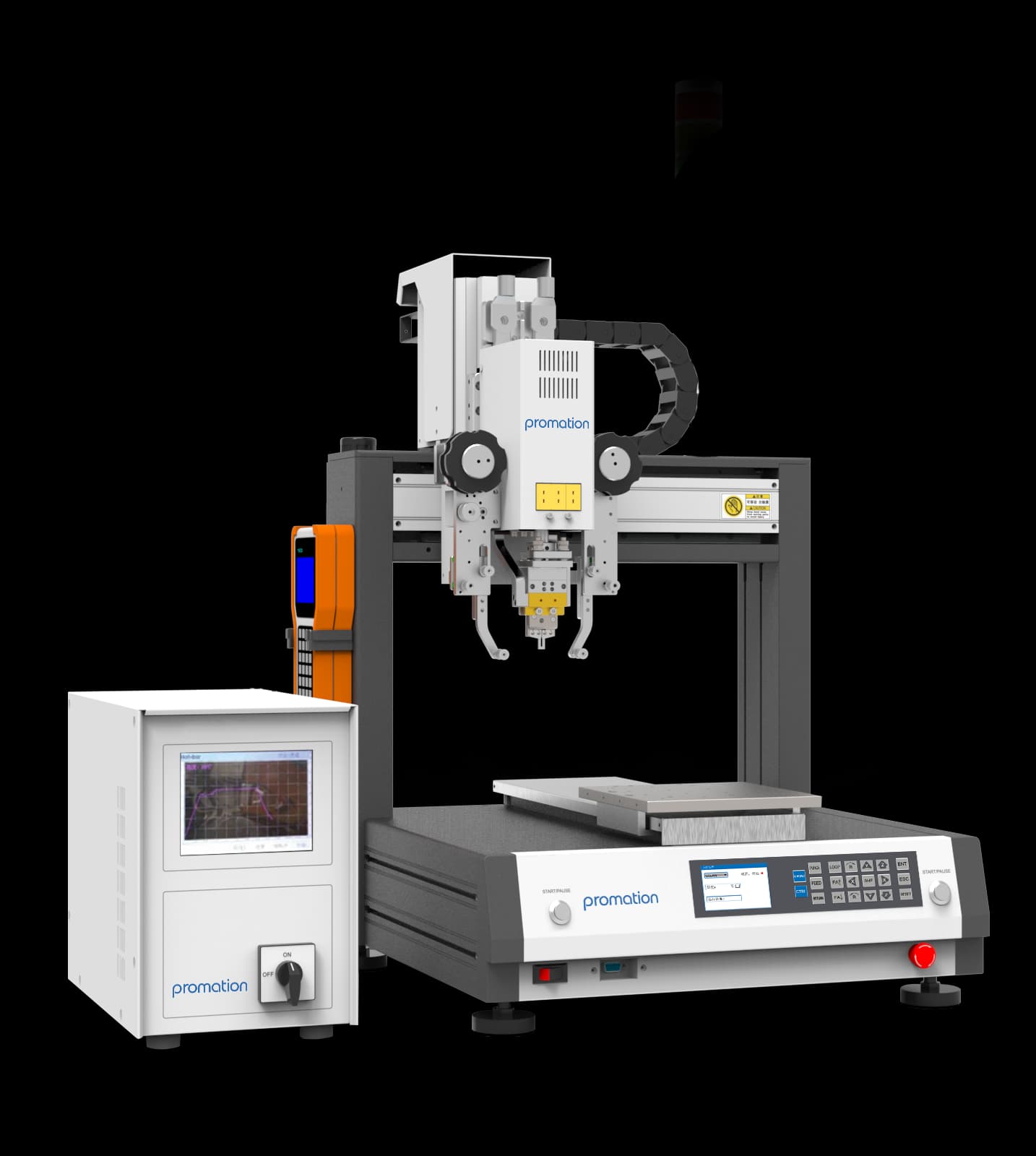
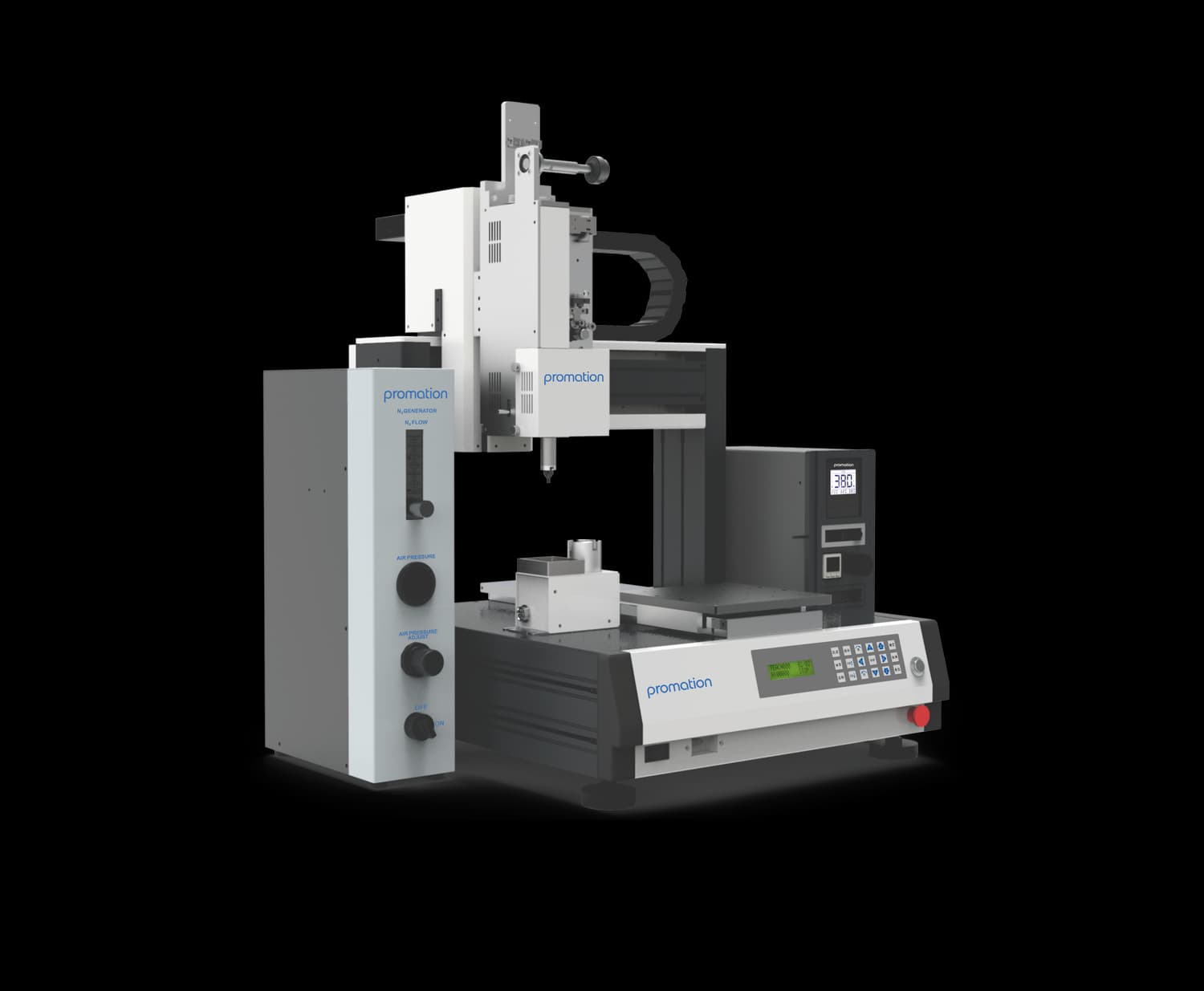
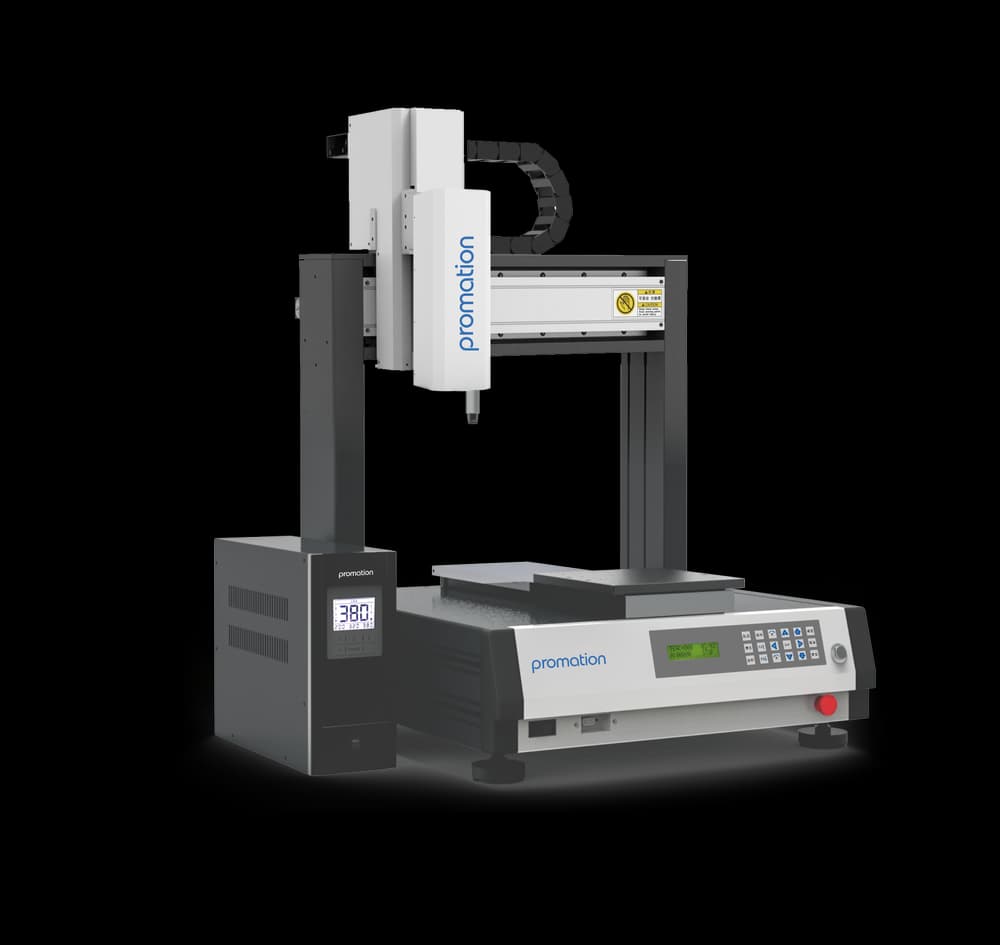
QUICK and PANDA intelligent soldering robots for batch and in-line selective soldering.
A robotic soldering system automates through-hole and selective solder joints using a programmed iron or laser head. Instead of an operator touching each joint, the machine repeats a taught path at a fixed temperature, feed rate and dwell — producing the same joint on the first board of a shift and the thousandth.
Every robotic soldering model
Pricing depends on configuration, so we quote per build rather than list a headline figure — ask and we will send the range for any model here.
Models in this line

Complete model index
Every model PROMATION configures and supports beyond the featured range — each page carries the full specifications.
- Soldering Robot Central
- QUICK 9434 Precision Soldering Robot
- QUICK 9434 + Vision Soldering Robot
- QUICK 9433D Dual-Head Soldering Robot
- Premium Heating Technology
- QUICK 9264EC Precision Soldering Robot
- QUICK 9464 Precision Soldering Robot
- QUICK 9334 Precision Soldering Robot
- QUICK 9533Y Dual-Slide High Output Soldering Robot
- QUICK 9333 Precision Soldering Robot
- QUICK 9534Y Dual-Slide High Output Precision Soldering Robot
- QUICK 9433 Vision Soldering Robot
- 9181 Soldering Robot
- 9153N Soldering Robot
- 9152N Soldering Robot
- QUICK 9252D Dual-Head Soldering Robot
- QUICK 9252K Soldering Robot
- 9494F Precision Soldering Robot
- 9440 IR-U Infrared Preheat Soldering Robot
- Smart Line Control System
- QUICK 9153A Soldering Robot
- AR Support Smart Glasses
- 9394F Precision Soldering Robot
- 9153NA Soldering Robot
- 9252N Soldering Robot
- 9253N Soldering Robot
- 9253NA Soldering Robot
- 9353N Soldering Robot
- 9353NA Soldering Robot
- 9453NA Soldering Robot
- 9154N Soldering Robot
- 9154NA Soldering Robot
- 9254N Soldering Robot
- 9254NA Soldering Robot
- 9354NA Soldering Robot
- 9354N Soldering Robot
- 9454N Soldering Robot
- 9454NA Soldering Robot
- ET9484E Soldering Robot
- ET9384E Soldering Robot
- ET9483E Soldering Robot
- ET9383E Soldering Robot
- ET9583EYA Soldering Robot
- ET9584EYA Soldering Robot
- ET9594EYA Soldering Robot
- 9101 Soldering Robot
What is a robotic soldering solution?
A Soldering Robot is a fully automated system that performs a designated task, set by a custom program, with the utmost precision and repeatability. Features include custom soldering profiles per joint, 150-watt power supply with thermal feedback, optional nitrogen systems and vision alignment.
What are the advantages?
- Return on Investment — Customers often achieve a ONE YEAR Return on Investment.
- Less Rework — Eliminates human error, reduces defects.
- Highly Efficient — Minimal operator involvement; one operator can supervise two robots; dual-tip capability available.
- Versatility — Supports HMP and lead-free soldering; customizable options including nitrogen sleeves, vision guidance, safety enclosures.
What We Offer
Systems include: IS Series (in-line integration), Table-Top Robot Series (most popular), Pro Model Series (premier line). Standard features: 150W minimum power supply, automatic solder feeder, tip cleaning station, positive tip location. Optional: nitrogen kits, safety enclosures, vision alignment.
Soldering Lab
PROMATION offers a complimentary 'Proof of Concept' service with IPC certified staff providing reports, video clips, and cycle output estimates.
Questions worth asking
How much does a robotic soldering machine cost?
Benchtop soldering robots occupy a different price class from in-line selective systems, and the configuration — single or dual head, laser or iron, vision, nitrogen, fixturing — moves the figure more than the base machine does. We publish a range for each model on request, and we will tell you which class your part actually needs rather than quoting the largest machine.
Is a soldering robot worth it for our volume?
The usual break-even is not volume alone but joints per board multiplied by rework rate. Lines running repetitive through-hole work with an experienced operator shortage tend to justify a benchtop cell quickly; low-mix, low-joint-count work often does not. Send us the board and we will run it, so the decision rests on your cycle time rather than a generic estimate.
What is the difference between iron and laser soldering?
An iron tip conducts heat through physical contact and suits accessible joints with a solid thermal path. Laser soldering delivers energy without touching the board, which matters for heat-sensitive components, tight pitches and joints an iron cannot physically reach. Many lines end up using both.
Can a soldering robot handle our existing boards?
Usually, but the answer depends on joint access, board warpage and fixturing rather than on the machine. This is why we run the part before quoting: you see the actual cycle time and joint quality on your own assembly first.
Request a quote — Robotic Soldering
Tell us the process and the part. We will come back with the configuration that suits it, the price range and the lead time.
- Official QUICK & TechMan source
- US stock
- IPC-certified engineers
- TITAN Award 2025